This is where I thought I might keep you informed of the odd musings of an author.
Authors are always keeping there eyes open for interesting items of information which they can weave into their work, so I thought I might appraise you of the things which have caught my interest of late.
***
On a recent vist to a Joule’s pub, the Crown Wharf at Stone, I came across an an old Joules advert regarding how to pronounce the name of their beer.
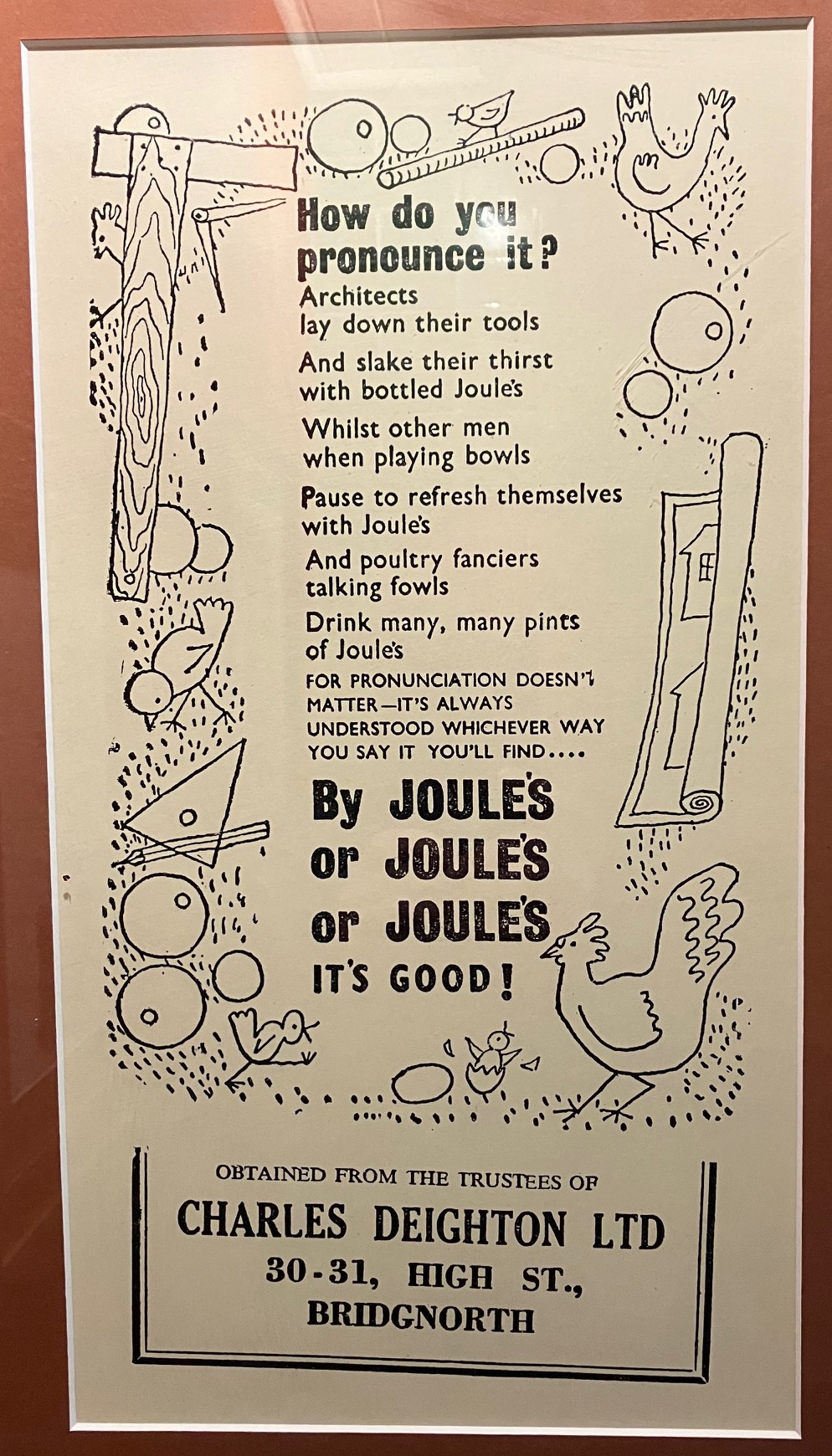
Pondering on pesky and peculiar pronunciations: I was left somewhat perplexed as I tried to figure out what these three different pronunciations were: was it Jools, Jules, Jowls, or Joel’s? Take your pick. Although according to the OED, “it is almost certain that J. P. Joule (the scientist) and at least some of his relatives used the pronunciation that rhymes with tool”. And yes, the very same Joule whose name was bestowed upon the SI unit of energy or work was a member of this family of brewers.
***
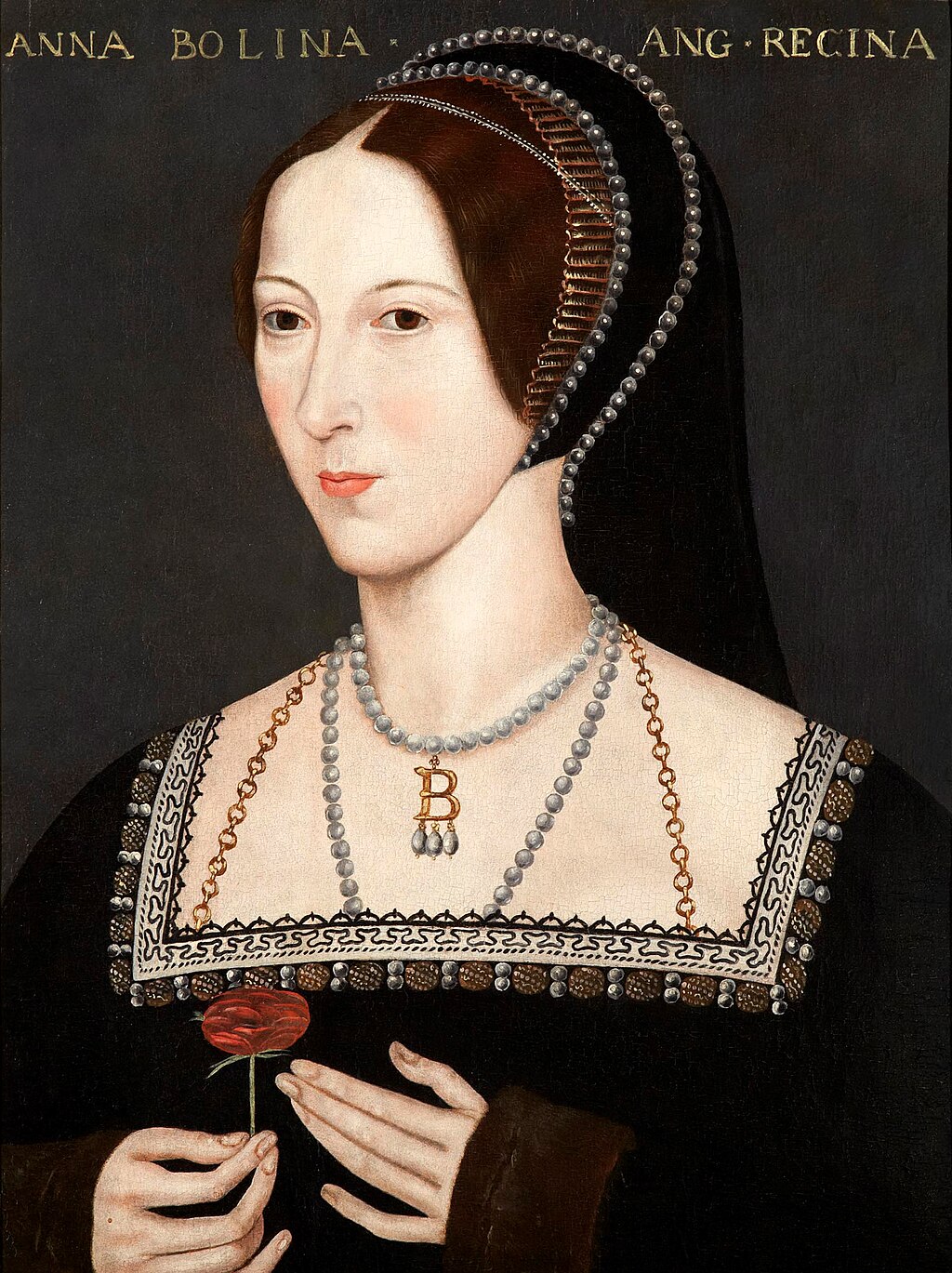
Anne Boleyn has recently been in the news; from writer’s perspective I believe most commentators have missed one important fact. Historians are saying a hidden detail found in one of her portraits was a rebuttal of the charges of witchcraft which had been laid against her. This centres on the allegation that she’d been polydactylic (from Greek polys, many, and daktylos, finger,) meaning having an extra digit, which was also said to indicate she was involved in witchcraft. All because Henry VIII’s ill-fated wife was implied by some to be a witch as she had a sixth finger on her right hand.
Although many commentators have charged Anne with being a witch it’s unlikely to have been true: up until the second half of the 16th century most Europeans didn’t believe in witchcraft. This belief seemingly came about long after her death and is most likely an invention of 19th century historians. There was no evidence against her at the time although Henry did say after her arrest that he thought Anne had bewitched him.
After Anne was executed Henry had her portraits burned. Consequently we know less about Anne than we should, especially given her role in the creation of the Church of England. There’re probably more myths and urban legends relating to Anne Boleyn and her downfall than about any other figure in English history. It’s possible the Hever Rose portrait (featured below) isn’t even of her as there’re no contemporary images of her in existence.
Given it’s, “Wicked Witch” vibe it’s likely this picture was inspired by her opponents which is at odds with the theory that it’s a rebuttal. Another theory suggests it’s actually the face of her daughter, Queen Elizabeth I, who may have commissioned the portrait in an effort to rehabilitate her mother’s reputation. All interesting stuff!
All in all though, it’s probably worth mentioning how unlikely it was that Henry would have married her in the first place if she’d really been in possession of a superfluous pinkie… Bleedin’ obvious when you think about it!
***
As a writer I’m always on the lookout for little known facts which I can weave into my writing. This has led me to spending a little time each day clicking on Wikipedia’s Random article link searching for interesting things I’m not aware of.
Here’s and odd one, have you ever heard of something called Hufu? Me neither.
It was touted as “the healthy human flesh alternative” for “cannibals who want to quit,” as well as a product for anthropology students studying cannibalism. According to its website Hufu was also “a great convenience food for cannibals. No more Friday night hunting raids! Stay home and enjoy the good healthy taste of Hufu.”
I’m sceptical as to whether the product actually existed and the website promoting it was only in existence from May 2005 to June 2006.

***
Here’s another one I came across just before Valentine’s Day. You know about Valentine’s Day cards, but how about vinegar valentines? They were the antithesis of the regular cards. As little known facts go, this gem was well-suited to a Valentine’s Day post.
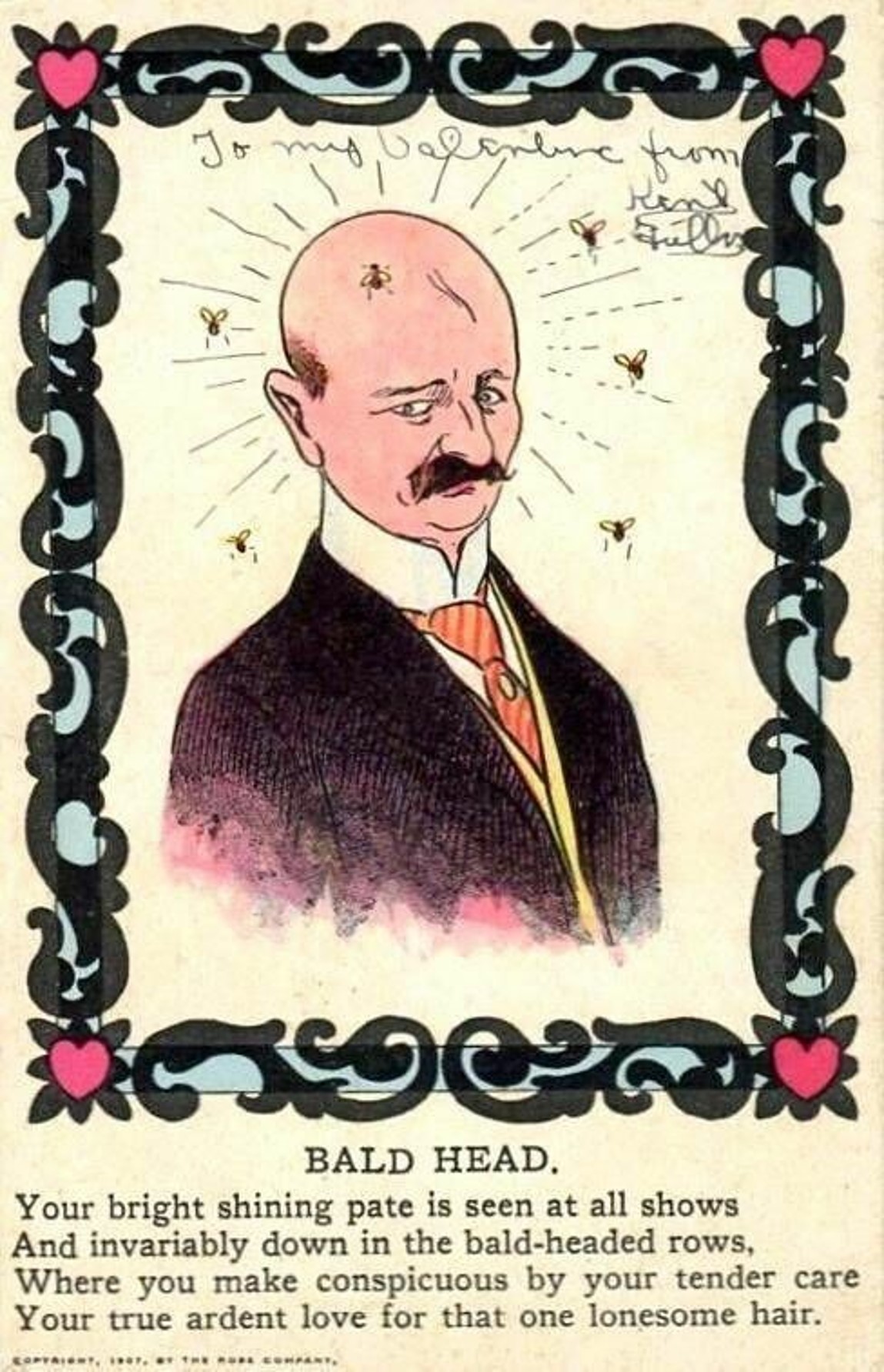
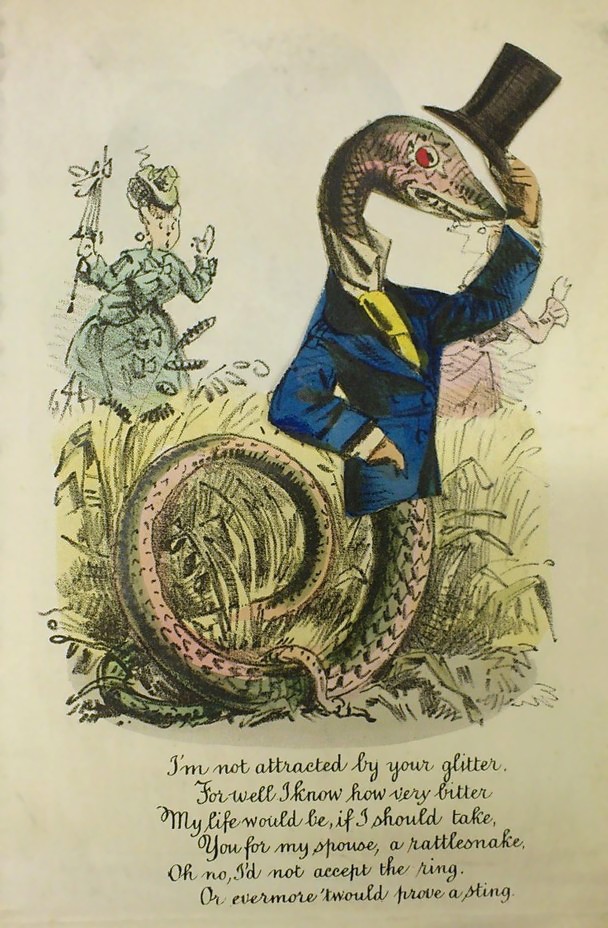
During the Victorian era, starting around 1840, parallel to Valentine’s Day cards something called vinegar valentines existed lampooning the type of card we know today. They were a type of a cheeky postcard decorated with a caricature and an insulting poem.
These distinctly unflattering novelty items enjoyed around a century of popularity, they were cynical, sarcastic, often mean-spirited cards originating in the US. When they arrived in the UK they were more commonly called ‘mock’ or ‘mocking’ valentines.
Sometimes they were referred to as penny dreadfuls, a term more properly used to describe a form of cheap popular serial literature, often of a sensationalist nature. Though there was reason referring to them in such a way as, at that time, mail could be sent without a stamp forcing the recipient to pay the postage, a penny. Hence adding insult to the injury of having to pay for the privilege of being mocked
These unflattering cards created a stir throughout society at all levels, sometimes provoking fisticuffs and arguments. Millions of vinegar valentines, with verses that insulted a person’s looks, intelligence, or occupation, were sold between the 19th and 20th centuries. They were usually sent anonymously. Postmasters sometimes confiscated these cards as being unfit to be mailed.
Each card had a caricature which exaggerated or distorted their subject. They were aimed at just about every type of person and profession that one could conceive of disliking: politicians, merchants, schoolteachers, lawyers, doctors, performers and sports enthusiasts were all potential targets. The poor, the old, and the ugly, the pompous, those who were vain and conceited, pretentious and ostentatious all made for convenient targets, along with unmarried men and women who’d received a vicious rejection from some potential partner. So pretty much anyone could end up being selected as a butt for valentine wit.
In a way I’m surprised they haven’t made a come back in today’s increasingly cruel times.
***
Back to Fiction.